

How to Fix Common French Door Repair Problems
French doors can add a touch of elegance to your home. They are also great for homes with a period.
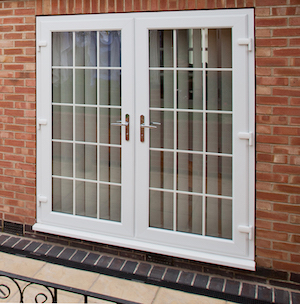
They're also simple to maintain. You should clean them regularly with mild soap.
Nevertheless, they can be damaged over time just as any other door. There are several methods to repair these doors.
Broken or damaged window
A window that is damaged or cracked isn't just ugly, it compromises the security and insulation of your home. Although it's impossible to stop the spread of a crack but you can slow the process down with some quick and simple fixes.
The first step is to wear safety glasses and gloves while working with glass, as it is very easy to break glass shards when you're not careful. To get rid of dirt and other debris, use a damp cloth to clean the area around the crack. This will ensure that the glue you use to fix the crack sticks well and doesn't leak or cause additional damage.
Decide if you'd like to employ a temporary solution, such as tape or plastic film to cover the hole or if a more permanent solution is what you'd prefer. If you decide to choose the latter option, be sure you use a glass glue specifically designed for windows and glasses, such as Loctite’s Super Glue Glass. This product has a strong hold and can be applied to the outside or inside of your glass and windows making it ideal for quick repairs.
A clear nail polish can also be used to temporarily fill cracks. This is particularly useful for stress cracks that develop when the temperature changes dramatically from hot to cold. Be aware that nail polish wasn't made to stand up to water so it won't last for a long time. In addition, you can protect your windows by putting up an opaque plastic sheet that will shield the glass and keep out wind, rain bugs, and other pests.
Sagging Hinges
A sagging door can be an eyesore and can also impact the stability of your house. Fortunately, the majority times, it's simple to fix. If your door is beginning to sag, it's important to address the issue immediately. In the event that it is not addressed, small issues could become more serious like squeaks, or other major misalignments.
Begin by inspecting the hinges to determine what's causing the issue. Often loose screws are the culprit. If tightening screws do not solve the problem of sagging replacing them with screws that are longer may aid. Longer screws will be able to support the door's weight and stop it from sliding over time.
You might also need to install shims to adjust the hinge's position. Thin strips can be put between the frame and hinge or jambs to distribute the weight of the door equally. This will stop future sliding. Use a doorstop or let someone else hold the door while you remove the screws from the affected hinge, and then carefully lift the door off of the hinges.
It is important to remember that a sagging door can be caused by uneven floor levels. This could lead you to examine the floor for any problems and fix the issues, which can help solve the problem of sagging without looking at the door. The door's sagging may be caused by the condition of hinge components like the knuckle or the pin. In this scenario you'll have to replace your hinges. This can be difficult for homeowners who lack carpentry experience. In some instances, sagging hinges can also suggest that the door's frame is too heavy for the frame or jamb.
Doors that aren't aligned
Doors that aren't aligned properly may cause them to slide, scrape against the frame, or be difficult to latch. A misaligned door can be a hassle however, it can also cause energy inefficiency and the sound of scratchy, squeaky noises throughout your home. There are many simple solutions to this problem without having to call in an expert.
If the gap around the door is uneven, the hinges might need to be tightened. However, if the gap is not excessive, it might be due to the door frame shifting or settling over time. In this instance, shims can be used to reset the frame.
Another common cause of misalignment is a high level of moisture in the air. This can make wood swell and cause doors to stick. However, this is not an issue for long and usually is resolved when humidity decreases.
After a heavy rainstorm Many people notice that their doors are not aligned properly. The solution is easy to tighten the hinge screws. If this doesn't work, you can make use of longer screws to fix your hinges. This will give them more support and will stop the hinges from loosening again in the future.
Another issue that could be a problem is an incorrectly aligned strike plate. The strike plate is usually moved lower to make space for the latch. This is a straightforward fix, but it requires you to remove the old strike plate, and drill holes for it. Use a dowel made of wood with the same diameter as the screwhole to fill the hole in the previous one and then anchor it in the new position.
Broken Latch
If the latch does not retract when you manually push it or turn the handle, then it is likely that the mechanism has broken. You can determine the root of the failure by checking where the latch contacts are located. A lipstick test can help determine if the issue is caused by sagging hinges, an improperly aligned latch bolt, a narrow strike plate hole or a combination of these issues. To test the lipstick, place the strip of lipstick (or similar marking material) on the latch. Close and open the door. If the latch is in contact with either the lipstick below or the lipstick above the strike plate, this indicates that the latch and strike plate aren't in contact.
The most effective way to fix this is to lubricate the latch. Lubricating can be done using graphite pens, which works better than WD-40 or other dry fluids. You can also employ a cotton swab to clean any dirt that has accumulated in the keyhole.
If lubricating the latch does not solve the problem it may be necessary to reposition the strike plate. If french door lock repairs leeds shimmied, made sanding, or increased the size of the strike plate's hinges or hole, you will need move the strike plate to the proper position relative to the lock. After you've moved the strike plate and adjusted the latch to a suitable position, check the latch to make sure it's functioning properly. If your latch is still not working then you can use wood filler to fill any old holes or gaps caused by moving the strikeplate or sanding hinges. Then, you can paint or stain the frame to complete the repair.
Leaks
A serious issue can arise from French doors that leak. Water can get inside the French doors and cause mold or wood damage. This can result in expensive repairs in the near future. The good news is that the majority of French door leaks can be easily repaired with just a bit of effort and a few simple tools.
One of the primary causes of leaking from French doors is the poor weatherproofing. This is due to French doors' unique design, which comprises large areas of tempered glass as well as frames. It is important to inspect your French doors regularly for signs of wear, which could cause leaks. It's also important to ensure that the seals are in good condition and have not changed over time.
If you find that your French doors leaking during rain, it's a good idea for you to conduct an extensive inspection to determine the cause of the leak. Look for visible signs of water intrusion, for example, damaged seals on window frames or around window panes. Also rusty threshold sealants may be an indication. Verify that the threshold is properly insulated and sealed.
In some instances the French door may leak when it rains, because there is an obstruction in the lock mechanism. It is essential to clean the lock with an oil containing silicone when this happens. This will help lubricate the lock and prevent the lock from becoming stuck. If you have trouble opening the lock, it could be due to the fact that the key is worn or damaged and must be replaced. Most hardware stores sell keys that can be replaced. If your key is too long or is worn out, it might be the right time to replace it with a new lock.